

The Ultimate Guide to the Best Coffee Maker in India (2026)
Tired of instant coffee but confused by the endless options for brewing at home? You’re not alone. The search for the best coffee maker in India often leads to a maze of choices, from a traditional Indian coffee maker to a feature-packed modern coffee brewing appliance. The good news is, your perfect cup is closer than you think.
This guide cuts through the noise. We will give you clear, practical advice to help you choose the right coffee machine for home use. We’ll compare brewing styles, explain key features, and provide a straightforward coffee maker buying guide India 2025. Whether you want a simple filter coffee maker or a sophisticated coffee maker with grinder, you’ll find the answers here.
India’s Coffee Culture in 2026: What Buyers Want
The way India drinks coffee is changing. More and more households are looking for an upgrade from instant powders to the rich, aromatic experience of freshly brewed coffee. This shift is driving demand for high-quality, user-friendly appliances.
In 2025, buyers are smarter and more specific. They are looking for:
- Authenticity: A renewed love for traditional methods means the South Indian filter coffee machine is as popular as ever.
- Convenience: Busy lifestyles demand a fast and efficient electric coffee maker that delivers great taste without the fuss.
- Freshness: The “bean-to-cup” idea is gaining ground, making the coffee maker with grinder a sought-after appliance.
- Safety & Efficiency: Consumers are actively checking for BIS/ISI safety certifications on any electric coffee machine and considering energy efficiency to manage utility bills.
- Value: People want an affordable coffee maker for Indian households that doesn’t compromise on build quality or flavor.
A Primer on Brewing: Match the Machine to Your Taste
The heart of your coffee experience is the brewing method. Each machine type creates a unique taste and texture. Let’s find your match.
The Gravity Method: Filter & Drip Coffee
This is the most common method, where hot water gently drips through coffee grounds. It produces a clean, smooth, and aromatic cup with lower acidity.
- South Indian Filter: This coffee decoction maker uses a two-tiered steel vessel. Hot water seeps slowly through the coffee grounds, creating a thick, potent liquid called decoction. It’s perfect for those who love the classic, strong “filter kaapi.”
- Electric Drip Coffee Machine: This is the workhorse of modern kitchens. It automates the entire filter coffee process. You add water and coffee, and the machine handles the heating and dripping, brewing directly into a filter coffee pot. It’s the ideal filter coffee machine for beginners.
The Pressure Method: Espresso
This method uses high pressure to force hot water through finely-ground coffee in about 30 seconds. It creates a small, concentrated shot of coffee with a signature layer of “crema.”
- Espresso Machine: This is the choice for those who love café-style drinks like lattes, cappuccinos, and americanos. The machine’s power creates a bold, intense flavor profile that stands up well to milk.
Comparison: Filter Coffee Maker vs. Espresso Machine
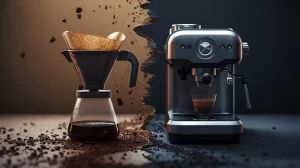
Deciding between these two is a common dilemma. Here is a side-by-side look at the difference between a filter coffee maker and an espresso machine.
| Aspect | Filter Coffee Maker (Drip & South Indian) | Espresso Machine |
| Mechanics | Gravity-fed water percolation. | High-pressure water extraction (9+ bars). |
| Grind Type | Medium to coarse grind. | Very fine, almost powder-like grind. |
| Brew Time | 4–10 minutes for a full pot. | 25–30 seconds for a single shot. |
| Final Drink | A cup of brewed coffee or a strong decoction. | A concentrated espresso shot. |
| Flavor Profile | Milder, highlights subtle bean notes, aromatic. | Intense, bold, full-bodied with a creamy top. |
| Best For | Daily black coffee, mixing with milk (kaapi). | Lattes, cappuccinos, macchiatos, strong shots. |
| Complexity | Simple, especially an electric coffee maker. | Steeper learning curve, requires precision. |
| Price | Generally lower. A very affordable coffee maker. | Higher initial investment. |
For most Indian homes wanting a straightforward, excellent cup of coffee, a filter coffee maker machine is the most practical choice.
How to Make South Indian Filter Coffee: A Quick Guide
Ready to brew perfection? Here’s a simple recipe for using your South Indian coffee filter.
Authentic Filter Kaapi Recipe
Equipment:
- South Indian Filter Coffee Machine (2-part steel vessel)
- Tamper disc
- A vessel for boiling water
Ingredients:
- 3 tbsp filter coffee powder
- 1 cup (240ml) boiling water
- ¾ cup hot milk
- Sugar, to taste
Instructions:
- Prep: Assemble the filter. Place the upper chamber (with the holes) on top of the lower coffee decoction pot.
- Add Coffee: Spoon the filter coffee powder into the top chamber.
- Tamp: Use the tamper to gently press and level the coffee grounds. Do not pack it too tight.
- Brew: Pour the boiling water over the grounds. Cover with the lid and let it stand undisturbed for 15-20 minutes as the decoction drips into the bottom pot.
- Serve: To make one cup, pour about ¼ part fresh decoction into a tumbler. Top with ¾ part hot, frothy milk. Add sugar. Pour back and forth between two tumblers to mix and create froth.
Must-Have Features in an Electric Coffee Maker for Home
When you shop for a drip coffee machine, look beyond the price tag. These features make a huge difference in your daily brew.
- Temperature Control: The best coffee is brewed between 90°C and 96°C. High-end models maintain this range, preventing bitter (too hot) or sour (too cold) coffee.
- Showerhead Dispersion: Look for a machine with a multi-hole water dispenser. This ensures water evenly saturates the coffee grounds for balanced extraction, unlike a single-stream drip which can lead to weak coffee.
- Built-in Grinder: A coffee maker with grinder is the ultimate tool for freshness.
- Burr Grinder: Grinds beans between two revolving abrasive surfaces. It’s consistent and gives you control over grind size. This is the superior choice.
- Blade Grinder: Uses a spinning blade to chop beans. It’s less expensive but produces an inconsistent grind, which can lead to uneven extraction.
- Filter Type:
- Permanent Filter: A washable, reusable mesh filter. It’s eco-friendly and cost-effective.
- Paper Filter: Disposable filters that are great for an easy cleanup and often produce a cleaner cup by trapping more oils.
- Carafe Type:
- Glass Carafe: The standard option. It sits on a warming plate to keep the coffee hot. The downside is that the hot plate can sometimes “cook” the coffee, making it bitter over time.
- Thermal Carafe: A double-walled, insulated carafe that keeps coffee hot for hours without an external heat source. This preserves the coffee’s original flavor.
- Safety Marks (BIS/ISI): For any electric coffee machine in India, this is non-negotiable. The ISI mark, based on IS 302 standards, certifies that the appliance is safe from electrical hazards.
Materials Spotlight: Why a Stainless Steel Coffee Maker in India is a Smart Choice
When choosing a traditional Indian coffee maker or even a modern one, the material matters. Here are the stainless steel coffee maker benefits that make it the best option for Indian kitchens.
- Purity of Taste: Stainless steel is non-reactive. It won’t impart any metallic or plastic taste to your coffee, letting the true flavor of the beans shine through.
- Exceptional Durability: This material resists rust, scratches, and dents. A good stainless steel coffee maker is a long-term investment that can handle daily use for years.
- Hygiene: Unlike plastic, which can develop micro-scratches that harbor bacteria and old coffee oils, steel has a non-porous surface that is incredibly easy to clean and sanitize.
- Heat Retention: Steel holds temperature well, which is crucial for the filter coffee process. It helps keep the water hot during brewing, leading to better extraction.
Sizing It Up: From Mini Coffee Makers to Commercial Machines
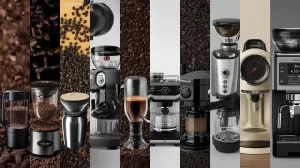
Choosing the right capacity is key to avoiding waste or frustration.
- Small Coffee Maker for Home / Mini Coffee Maker: These typically brew between 1 to 5 cups. They are perfect for individuals, couples, or kitchens where counter space is a premium. A mini coffee maker is an excellent, compact solution.
- Standard Home Brewer (8-12 Cups): This is the sweet spot for the average Indian family. It’s versatile enough for your daily morning coffee and for serving guests when they visit. It’s the most common size for the best coffee machine for Indian homes.
- Commercial Filter Coffee Machine: Designed for a coffee maker for office or cafe setting, these are high-capacity powerhouses. They can brew 12+ cups at once, often have multiple warming plates, and are built to withstand constant use.
Decoding the Price of Coffee Maker in India: What Should You Expect to Pay?
The coffee maker machine price in India can be confusing. Here’s a simple breakdown of what to expect in different categories.
- ₹400 – ₹1,500 (Traditional Filter): This range gets you a high-quality South Indian filter coffee machine made of stainless steel. Price varies with size and steel grade.
- ₹1,500 – ₹4,500 (Entry-Level Electric): This is the bracket for a good, reliable electric coffee maker. You’ll find basic drip machines that get the job done efficiently. The perfect range for an affordable coffee maker for Indian households.
- ₹4,500 – ₹10,000 (Mid-Range Feature-Rich): In this range, the filter coffee machine price includes features like programmable timers, brew-strength control, and sometimes a thermal carafe. Some entry-level grinder models also fall here.
- ₹10,000+ (Premium & Specialty): This is the domain of advanced machines, including bean-to-cup models, espresso makers, and any high-quality coffee maker with grinder (especially burr grinders).
Keeping Your Brewer in Top Shape: Cleaning & Maintenance
A dirty machine makes bad coffee. Follow these steps for a perfect brew every time.
How to Clean a Coffee Maker at Home
- After Every Use: Discard the grounds. Rinse the filter basket and carafe with warm water. This prevents oily buildup.
- Weekly: Wash all removable parts (carafe, lid, filter basket) with warm, soapy water to break down coffee oils that can turn rancid and spoil the taste of your brew.
Descaling for Indian Hard Water
Hard water leaves mineral deposits (scale) inside your machine, which can cause blockages and affect performance. Descaling is essential.
How to Descale with Citric Acid:
- Mix Solution: Stir 2 tablespoons of citric acid powder into 1 litre of water until it’s fully dissolved.
- Run a Cycle: Pour the solution into the water reservoir and run a full brew cycle (with no coffee grounds).
- Flush Clean: After the cycle is complete, discard the solution. Run 2-3 more cycles with only fresh, clean water to rinse out any remaining acid.
- Frequency: Do this every 2-3 months to keep your coffee brewing machine in peak condition.
Coffee Maker Buying Guide India 2026: Your Decision Tree
Use this checklist on how to choose a coffee maker for home use to find your perfect machine.
Start Here: What is your primary goal?
- If you want AUTHENTIC South Indian filter coffee…
- → Choose a South Indian filter coffee machine. Prioritize high-grade stainless steel.
- If you want CONVENIENCE and the ability to brew for multiple people…
- → Choose an electric drip coffee machine.
- Do you hate cleaning? → Look for dishwasher-safe parts and a permanent filter.
- Do you want the freshest taste? → Invest in a coffee maker with a burr grinder.
- Do you drink coffee slowly over the morning? → Get a model with a thermal carafe.
- If you want CAFÉ-STYLE drinks like lattes and cappuccinos…
- → You need an Espresso Machine. Be prepared for a higher cost and learning curve.
- If your BUDGET is the top priority…
- → A manual coffee decoction maker for home or a basic 5-cup electric coffee maker offers the best value.
Top Picks Framework For Coffee Maker in India: What to Look for in Each Category
While we don’t name specific brands, here’s what defines the best in each class:
- Best Filter Coffee Maker (Overall): An electric drip machine with a thermal carafe, brew-strength control, and a wide showerhead for even extraction.
- Coffee Machine for Indian Homes: A 10-12 cup programmable drip coffee machine that is easy to clean and has clear BIS/ISI safety certification.
- Best Drip Coffee Machine: Look for one that is certified to reach optimal brewing temperature (90-96°C) and has a fast brew cycle.
- Coffee Maker with Grinder: A model with an integrated conical burr grinder and multiple grind settings for maximum control over your brew.
- Affordable Coffee Maker for Indian Households: A compact 5-cup electric coffee machine with a reusable filter and a simple one-touch operation.
- Best for Office or Cafe: A commercial filter coffee machine with a capacity of over 2.5 litres, a direct water-line hookup option, and robust stainless steel construction.
Ready to find your match? Explore our collection of coffee makers to find the appliance that will transform your morning ritual.
Frequently Asked Questions (FAQ)
Q1: What is the main difference between filter coffee and espresso?
A1: The main difference is pressure. A filter coffee maker uses gravity to let water drip through coffee grounds, resulting in a smoother, milder cup. An espresso machine uses high pressure to force water through grounds quickly, creating a concentrated, intense shot.
Q2: How much should I spend on a coffee maker for home?
A2: A great coffee maker for home doesn’t have to be expensive. You can find excellent traditional filters for under ₹1,000 and reliable electric drip machines for ₹2,000 to ₹5,000. The coffee maker machine price in India goes up with features like grinders and timers.
Q3: Is a coffee maker with a grinder worth it?
A3: Yes, for coffee enthusiasts, a coffee maker with grinder is worth it. Grinding beans just before brewing provides maximum freshness and a noticeably better-tasting cup of coffee compared to using pre-ground powder.
Q4: How do I know if an electric coffee machine is safe to use in India?
A4: Always check for the ISI mark on the product and its packaging. This mark signifies that the electric coffee maker complies with safety standards set by the Bureau of Indian Standards (BIS), like IS 302.
Q5: What is a coffee decoction maker?
A5: A coffee decoction maker is another name for a South Indian coffee filter. It’s a device, usually made of stainless steel, designed specifically to brew the strong coffee concentrate (decoction) used to make traditional filter coffee.
Q6: Can I make just one cup in a large 12-cup coffee maker?
A6: You can, but the quality might not be optimal as the machine is calibrated for a larger volume. Some machines have a “1-4 cup” setting that adjusts the brewing process for smaller batches. If you usually drink alone, a small coffee maker for home is a better choice.